
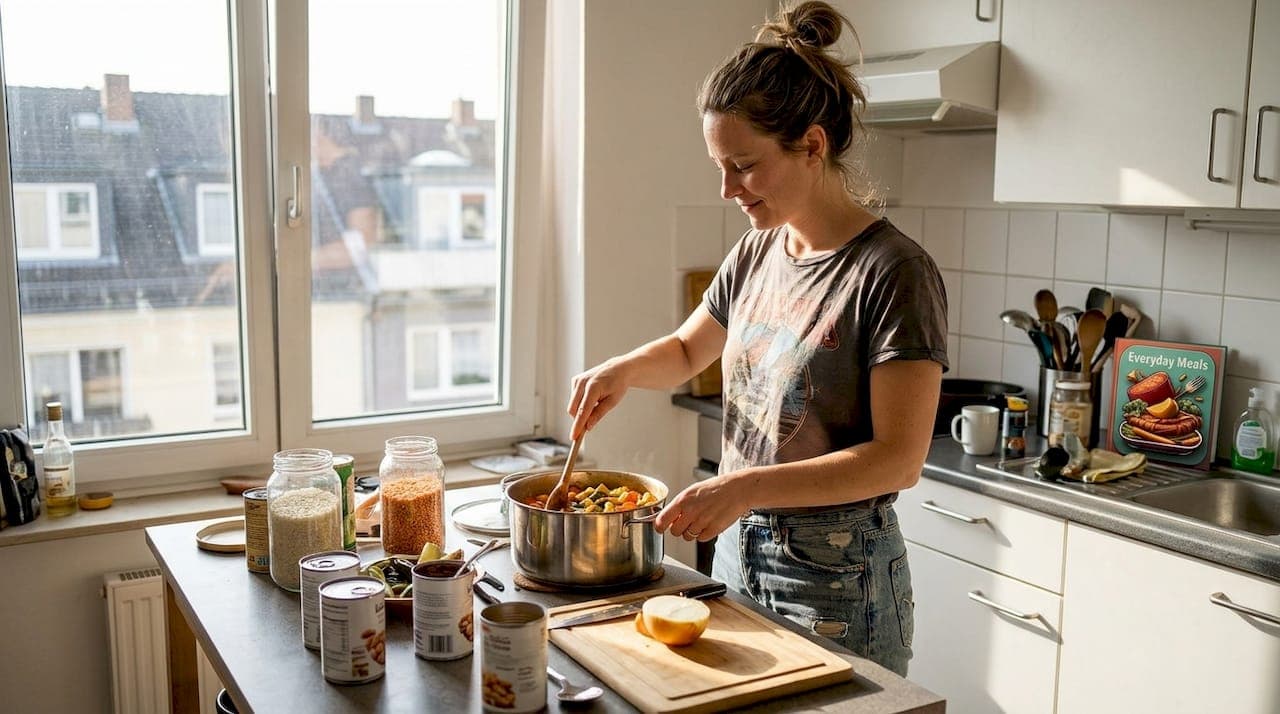
Staring into the fridge at 6 p.m., exhausted, with no plan and a handful of random ingredients is a situation most home cooks know well. The good news is that healthy, satisfying dinners don’t require a full grocery run or an hour of prep. With the right framework and a few reliable recipes, you can turn pantry staples, leftovers, and whatever’s in your freezer into meals that are nutritious, fast, and budget-friendly. This guide gives you exactly that: a clear decision-making system plus five real dinner ideas you can make tonight.
Table of Contents
-
Plant-based vs. lean meat dinners: What’s faster, cheaper, and healthier?
-
Deciding what’s for dinner: Smart swaps and leftover makeovers
-
Our fresh take: Making healthy dinners effortless (and waste-free))
Key Takeaways
| Point | Details |
|---|---|
| Quick healthy dinners are possible | A few pantry staples and smart strategies let you assemble meals quickly without sacrificing nutrition. |
| Plant-based meals cut cost and waste | Options like beans and lentils are fast, affordable, and help reduce food waste over time. |
| Leftovers are dinnertime assets | Reinventing leftovers into new dishes saves both time and money while adding variety. |
| Flexibility beats perfection | Making healthy dinners is about adapting to what you have, not chasing perfect recipes. |
How to choose a healthy dinner: The quick criteria
Before you start cooking, it helps to know what actually makes a meal healthy. The WHO guidelines emphasize variety, minimally processed foods, pulses, whole grains, and lean proteins, while limiting added sugars, sodium, and unhealthy fats. That’s a useful checklist, not a rigid rulebook. Most nights, a meal that hits two or three of those marks is a win.
Harvard nutrition experts reinforce this by focusing on nutrient-dense foods like vegetables, whole grains, and lean proteins over calorie-dense processed options. The great news for busy cooks is that most pantry staples already fit this profile. You don’t need exotic ingredients to eat well.
Here are the pantry-friendly components worth keeping stocked:
-
Whole grains: Brown rice, oats, whole wheat pasta, quinoa
-
Legumes: Canned chickpeas, black beans, lentils
-
Frozen vegetables: Spinach, peas, broccoli, edamame
-
Proteins: Eggs, canned tuna or salmon, tofu, rotisserie chicken
-
Flavor builders: Garlic, olive oil, soy sauce, cumin, canned tomatoes
These ingredients are affordable, have long shelf lives, and combine in dozens of ways. For fast and simple dinner options, they’re your foundation.
Pro Tip: Batch-cook one staple each week, like a pot of brown rice or a tray of roasted chickpeas. Having that one ready component cuts your weeknight cooking time in half.
Healthy dinner ideas: 5 quick meals from common staples
With the criteria in mind, here are five quick, healthy dinner ideas you can actually make tonight. Each one is adaptable, meaning you can swap ingredients based on what you have without losing the nutritional value.
-
Veggie stir-fry with noodles or rice. Use any frozen or fresh vegetables you have, a protein like tofu or leftover chicken, and a simple soy-ginger sauce. Ready in under 20 minutes. Inspired by Mayo Clinic’s Soba Noodle Stir-Fry, which clocks in at 425 calories and 32 grams of protein using common pantry items.
-
Chicken or bean quesadilla. Whole wheat tortillas, shredded cheese, canned black beans or leftover chicken, and a handful of frozen corn. The Mayo Clinic’s Chicken Zucchini Quesadilla version delivers 345 calories and 27 grams of protein. Swap zucchini for whatever vegetable you have.
-
Sheet-pan roasted vegetables with protein. Toss any vegetables with olive oil, season with garlic and cumin, add your protein of choice, and roast at 400°F for 25 minutes. Almost no cleanup.
-
Lentil stew with greens. Simmer red lentils with canned tomatoes, garlic, and broth. Stir in frozen spinach at the end. High in fiber, filling, and done in 25 minutes.
-
Quick fish or tofu bake. Season a fillet or tofu block with olive oil, lemon, and herbs. Bake alongside a grain. Simple, clean, and protein-packed.
For easy weeknight cooking, these five formulas cover most situations.
Pro Tip: Make a double portion of any of these meals. Tomorrow’s lunch is already handled, and you’ve cut food waste at the same time.
Plant-based vs. lean meat dinners: What’s faster, cheaper, and healthier?
Many readers wonder if plant-based or lean-meat dinners are better. The honest answer is both work, but they have different strengths depending on your situation.
| Factor | Plant-based (beans, lentils) | Lean meat or fish |
|---|---|---|
| Prep time | 15 to 25 minutes | 20 to 30 minutes |
| Average cost per serving | $1 to $2 | $3 to $6 |
| Protein per serving | 12 to 18g | 25 to 35g |
| Shelf life | Months (dried or canned) | Days (fresh) or frozen |
| Adaptability | Very high | Moderate |
Plant-based options like beans and lentils are cheaper and more waste-reducing long-term, since they don’t spoil quickly and require less prep. Lean meats and fish deliver higher protein per serving, which matters for some dietary goals.
“Shifting toward more plant-based foods, even partially, supports both personal health and environmental sustainability.” Based on WHO dietary guidance.
Here’s how to decide which route to take on any given night:
-
Choose plant-based if you’re short on time, watching your grocery budget, or trying to use up canned goods before they expire
-
Choose lean meat or fish if you need higher protein, have fresh proteins about to go bad, or are cooking for someone with specific nutritional needs
-
Mix both when you want variety, like a bean-and-chicken burrito bowl
Deciding what’s for dinner: Smart swaps and leftover makeovers
Even if you’re working with odds and ends, a few smart swaps and leftover tricks can create a whole new dinner. The goal is to stop seeing random ingredients as a problem and start seeing them as a starting point.
Quick ingredient swaps that work almost every time:
-
Beans instead of chicken in tacos, stir-fries, or grain bowls
-
Brown rice instead of pasta under any saucy dish
-
Frozen vegetables for fresh in soups, stir-fries, or sheet-pan meals
-
Greek yogurt instead of sour cream as a topping
-
Canned fish instead of fresh protein in pasta or rice dishes
Most healthy meal criteria can be met by reworking pantry staples or leftover proteins and vegetables. Here’s how common leftovers transform:
| Leftover | New dinner idea |
|---|---|
| Roast chicken | Stir-fry, tacos, or chicken soup |
| Cooked rice | Veggie fried rice or stuffed peppers |
| Roasted vegetables | Frittata, grain bowl, or pasta toss |
| Cooked lentils | Soup, lettuce wraps, or flatbread topping |
| Canned beans | Quesadilla, chili, or hummus |
For ideas on building dinner with pantry staples, the combinations are nearly endless once you start thinking in formulas rather than fixed recipes. Don’t be afraid to mix cuisines. A soy-seasoned lentil bowl with cumin-roasted vegetables is not a mistake. It’s a dinner.
Our fresh take: Making healthy dinners effortless (and waste-free)
Most healthy eating advice is quietly intimidating. It implies you need a full pantry, meal-prep Sundays, and a color-coded grocery list to succeed. That framing sets people up to feel like they’re failing every time they throw together a simple meal from leftovers.
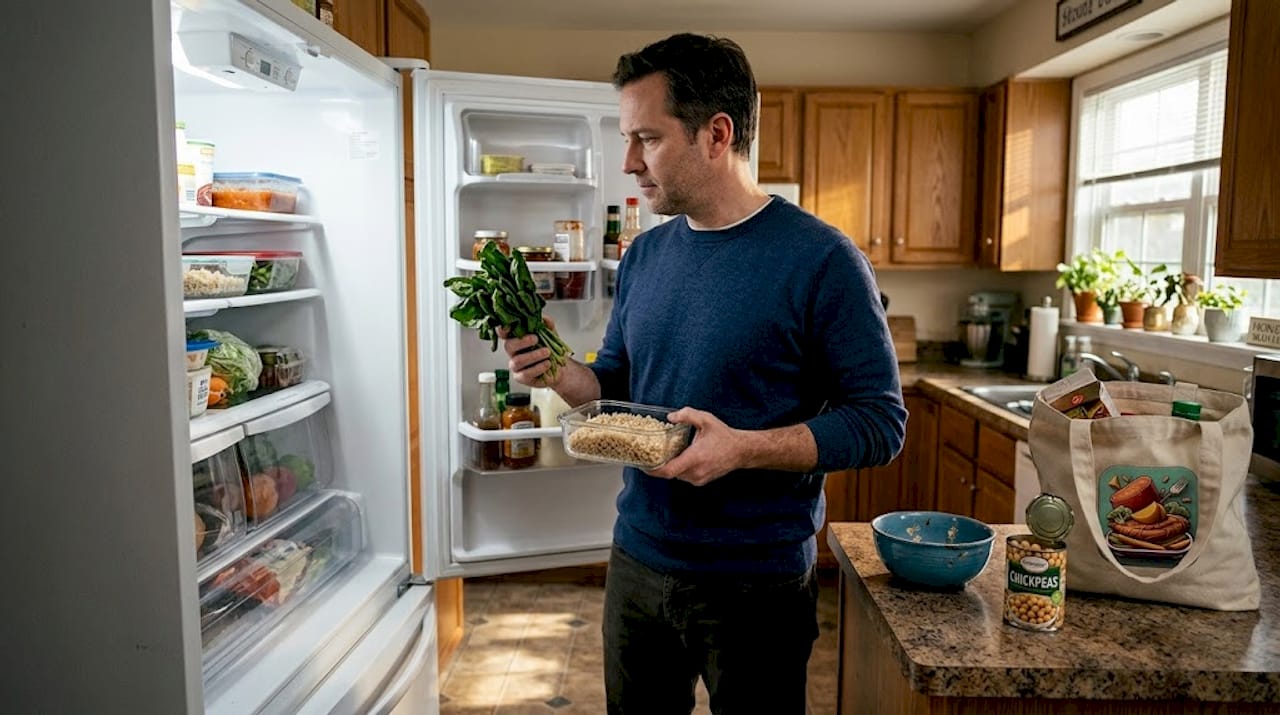
We think that’s backwards. The nights you use up the last of the rice, the wilting spinach, and the half-can of chickpeas are the nights you’re actually winning. That’s real cooking, and it’s exactly what dinner planning made easy should look like.
Pro Tip: Keep a short list of three to five meal formulas you know by heart, like “grain plus protein plus roasted vegetable” or “soup with whatever legume is in the pantry.” On stressful nights, you don’t need inspiration. You need a formula.
Healthy eating becomes sustainable when you stop chasing perfect recipes and start trusting your own kitchen instincts.
Try smart dinner planning with What’s for Dinner?
Looking for even more meal ideas tailored to what you already have? The What’s for Dinner? app generates personalized recipes in seconds based on the ingredients sitting in your fridge, freezer, and pantry right now.
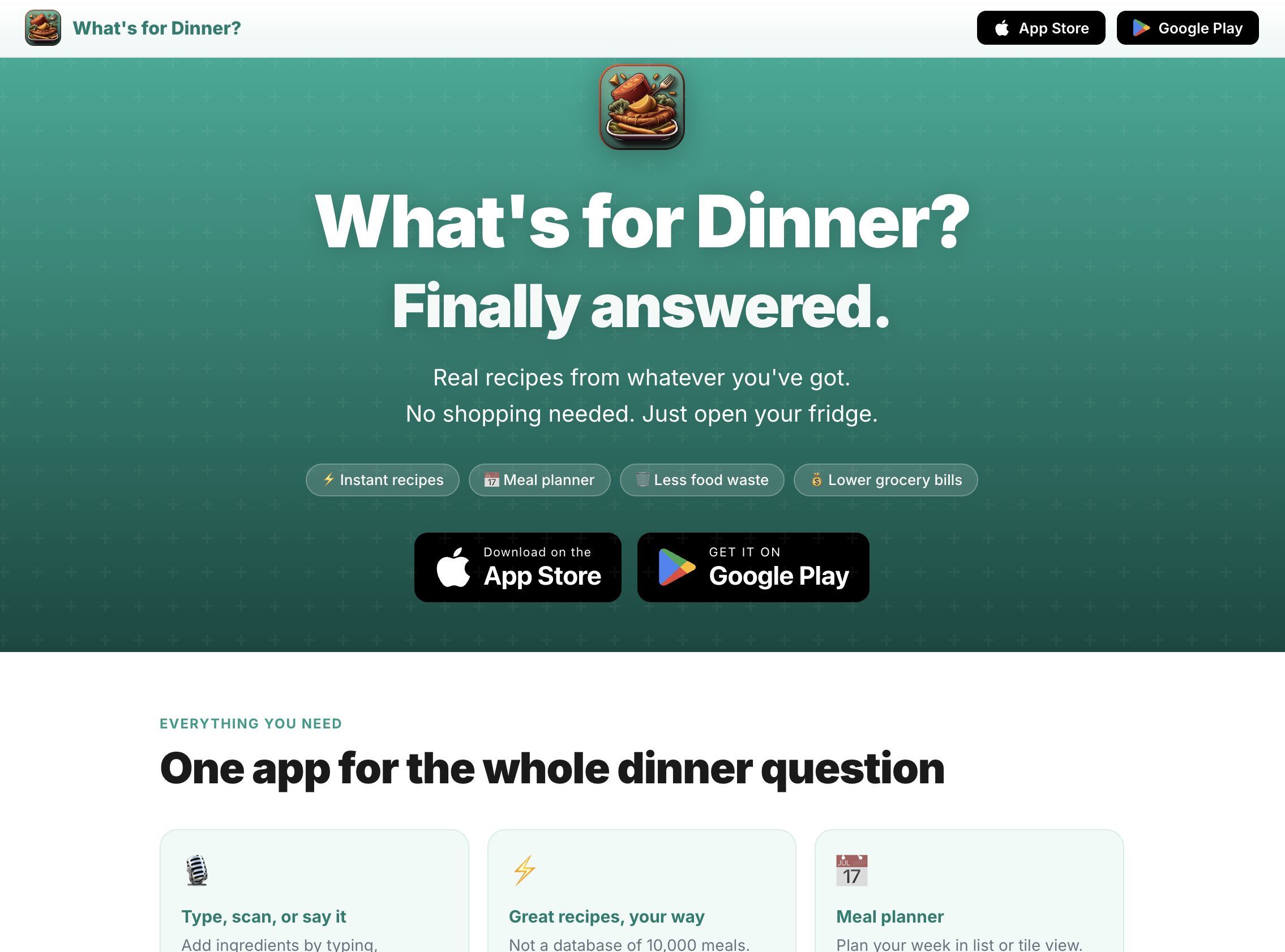
No more staring at the fridge wondering what to cook. Busy families and solo cooks alike use it to cut food waste, save money, and skip the daily dinner decision stress. Just tell the app what you have, and it handles the rest with smart, healthy suggestions that fit your lifestyle.
Frequently asked questions
What are the healthiest pantry staples for quick dinners?
Whole grains, beans, lentils, canned fish, eggs, and frozen vegetables offer flexibility for nutritious, fast meals. WHO guidelines highlight these as core components of a healthy diet.
Can plant-based dinners really save time and money?
Yes, plant-based dinners like bean-based soups or lentil stews cook quickly and are usually more affordable than meat. Plant-based options are also more cost-effective and waste-reducing over time.
How do I make healthy dinners with leftovers?
Repurpose cooked proteins and vegetables by turning them into stir-fries, salads, or wraps for fast, balanced meals. Mayo Clinic recipes show how common ingredients can be reimagined into nutritious dinners with minimal effort.